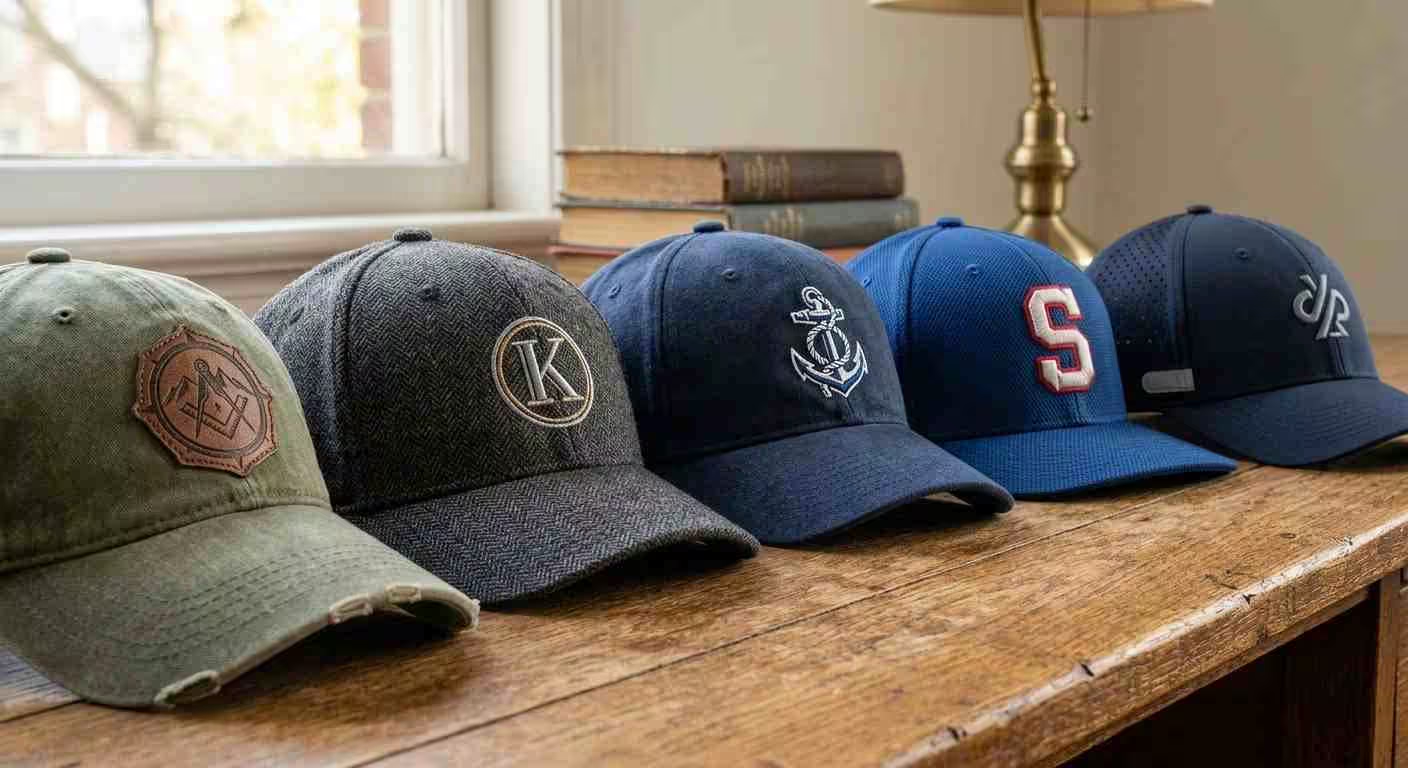
A baseball cap can look simple to you until you start shopping for one. Then there are different crowns, closures, fits, brims, panel designs, and materials to consider. If you pick the wrong style, it may sit awkwardly, feel too tight, or simply fail to match your outfit.
The best part is that understanding the main types can make choosing one much easier. Baseball caps have also moved far beyond the sports field. They are becoming everyday fashion pieces, promotional accessories, and practical outdoor wear. In fact, the global baseball cap market was estimated at around $6.33 billion in 2025, that is showing just how far this once-sporting accessory has travelled. This blog will guide you through the types of baseball caps and features that make them different.
What Makes One Baseball Cap Different From Another?
Before you look at individual styles of baseball caps Dubai, it can help you to know what can actually change from one cap to another. The crown, brim, closure, panel construction, and level of structure are all elements that influence appearance, comfort, and suitability.
Crown Structure
A structured crown often contains stiffening material that can help the front maintain its shape. This can create the crisp, defined appearance commonly associated with sports and team headwear. A structured front can also provide a strong surface for embroidery or printed designs.
Unstructured caps need to take the opposite approach. Their fabric is softer and can naturally follow the shape of the head. The result will feel more relaxed and casual, which is why these caps can work particularly well with everyday outfits.
Brim Shape
The brim of the cap can control much of its personality. A curved brim can give a traditional and athletic appearance and can also provide useful protection from direct sunlight. A flat brim will look sharper and more contemporary, especially when it is paired with a higher crown.
Some people curve a flat brim themselves, but others prefer to keep it completely straight. Neither is inherently better and it can largely come down to personal style and how the cap sits on your face.
Closure Types
The closure will determine the adjustment of the cap around your head. Snap closures use plastic tabs, and strapbacks rely on fabric, leather, or similar adjustable straps.
Fitted versions have no adjustable fastening at all. Manufacturers produce them according to specific head measurements, so getting the correct size matters. Stretch-fit designs sit between the two, with the use of elastic material to provide flexibility without a visible rear adjustment.
What are the Main Types of Baseball Cap?
There is no type of cap that is best for everyone. Each construction can create a noticeably different fit and visual character, so your choice should depend on comfort, occasion, and personal preference.
1. Fitted Caps
Fitted caps contain a completely closed back and are manufactured in specific sizes instead of using an adjustment mechanism. They can provide you with a clean and uninterrupted appearance that many sports fans and collectors often appreciate.
The classic example of this is the professional baseball-style fitted cap. Major League Baseball’s modern on-field cap has evolved considerably over time, along with manufacturers that are continually refining materials and construction.
The downside is straightforward: you just need to know your head size. A cap that is slightly too small can become uncomfortable, but the one that is too large may move around.
2. Snapback Caps
Snapbacks are instantly recognizable due to their adjustable plastic closure. Most of these caps have a structured crown and are commonly associated with flat or moderately curved brims.
The biggest advantage of snapback caps is flexibility. You can adjust the rear fastening until the cap feels secure instead of buying a precise size. This can make snapbacks especially practical for teams, fashion collections, events, and branded merchandise.
They also became strongly associated with streetwear and hip-hop culture during the 1980s and 1990s, helping transform the style from sportswear into mainstream fashion.
3. Dad Caps
Dad caps are often softer, lower-profile, and deliberately relaxed. They generally contain an unstructured crown, curved brim and adjustable strap at the back.
You should think effortless instead of sporty. The fabric that tends to mould naturally around the head gives a worn-in appearance to the cap without the need for much styling. This can make it an easy choice for jeans, hoodies, casual shirts, and weekend clothing.
Detailed embroidery can have a gentler appearance because the front is softer than it would on a heavily structured cap.
4. Trucker Caps
Trucker caps often stand apart because of their mesh rear panels. The design originally became associated with farmers, truck drivers and rural workers, especially after the beginning of agricultural businesses that were distributing logo-covered caps as promotional items during the 1960s and 1970s.
The mesh can allow considerably more airflow than a fully fabric construction, that make this style useful in hot conditions. A structured or foam front can provide plenty of space for a prominent logo, which is one reason that trucker caps is still popular for promotional branding.
5. 5-Panel Caps
A 5-panel cap often has five pieces of fabric instead of the more familiar six-panel construction. These caps produce a distinctive, streamlined shape and a relatively clean front.
The style has strong connections with cycling, outdoor activities, skateboarding, and contemporary streetwear. The low-profile appearance of these customized hats make it a good option when you want something less traditionally sporty.
The front construction can also create an excellent area for a simple patch or understated logo instead of an oversized decoration.
6. Snapback Caps
Strapbacks contain an adjustable strap that is commonly finished with a buckle or slider, instead of the plastic closure found on a snapback.
They are particularly versatile because the closure can be adjusted gradually instead of in fixed increments. Fabric and leather straps can also add a more refined appearance, that is making this style suitable for casual fashion along with lifestyle branding.
7. Stretch-Fit Caps
Stretch-fit caps frequently use elastic material within the headband so the cap can flex around the head of the wearer. They can provide the snug feel of a fitted cap and also offer more tolerance in sizing.
This can be an excellent middle ground for people who dislike plastic snaps or rear straps. The cap can stay visually clean and still accommodate small differences in head circumference.
People’s Common Queries
1. Are baseball caps suitable to use for everyday wear?
Yes, baseball caps are now common casual accessories, not clothing that is reserved for athletes. You should choose a lightweight and comfortable construction for regular use and match the profile and brim shape with your usual wardrobe.
2. How should I fit a baseball cap?
A cap should feel secure without the need to create pressure around your forehead. It should sit comfortably above your ears, remain stable when you move, and leave enough room to avoid headaches or excessive sweating.
3. Which cap is best to use for hot weather?
You can generally prefer a breathable construction in hot conditions. Trucker caps are especially useful as their mesh rear panels allow airflow, and lightweight cotton and performance fabrics can also work well.
The Bottom Line
Baseball caps might share the same basic purpose, but their construction can help you make them feel completely different. Fitted caps can offer you precision, dad caps deliver relaxed comfort, snapbacks provide adjustability, truckers improve airflow and 5-panel designs can bring a modern edge. Strapbacks and stretch-fit options can help to add even more flexibility. The right choice ultimately depends on fit, style, climate, and intended use. So before you buy your next cap, ask yourself one simple question: do you want your cap to make a statement, or do you want it to be the easiest thing in your wardrobe to wear?